Geographic
Representation
& Speculation
Three exercises and two final projects exploring how data visualization and spatial mapping can reveal hidden patterns — in marine ecosystems, urban sound, and the global consequences of armed conflict.
Course
SCI 6322 Mapping · Spring 2018
Advisor
Robert Pietrusko
Team
Boxiang Yu · Yinan Liu · Shuo Zhao
Year
05 / 2018
Full documentation · Vimeo · 4:19
Human Impacts
on Coral Reefs
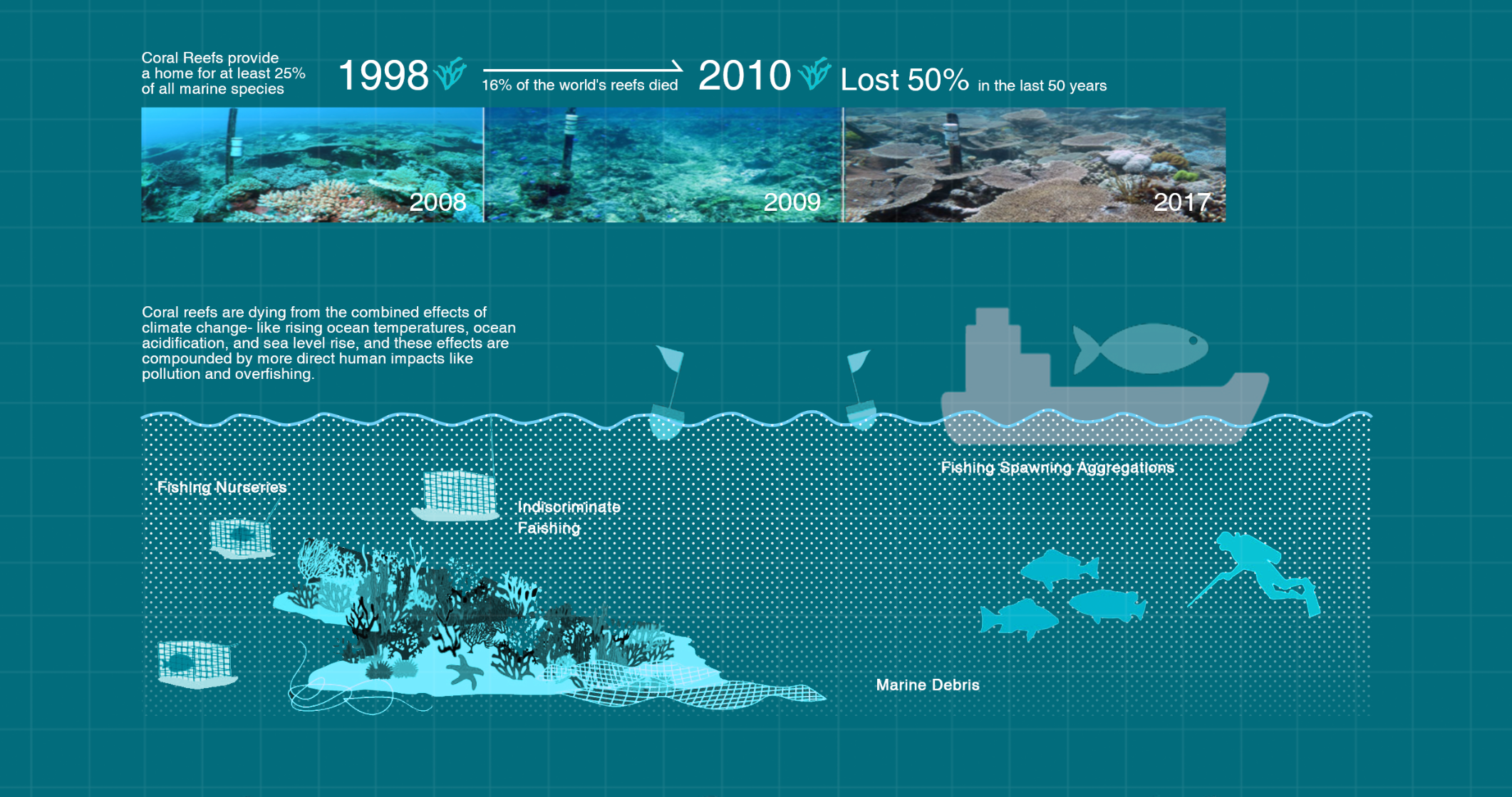
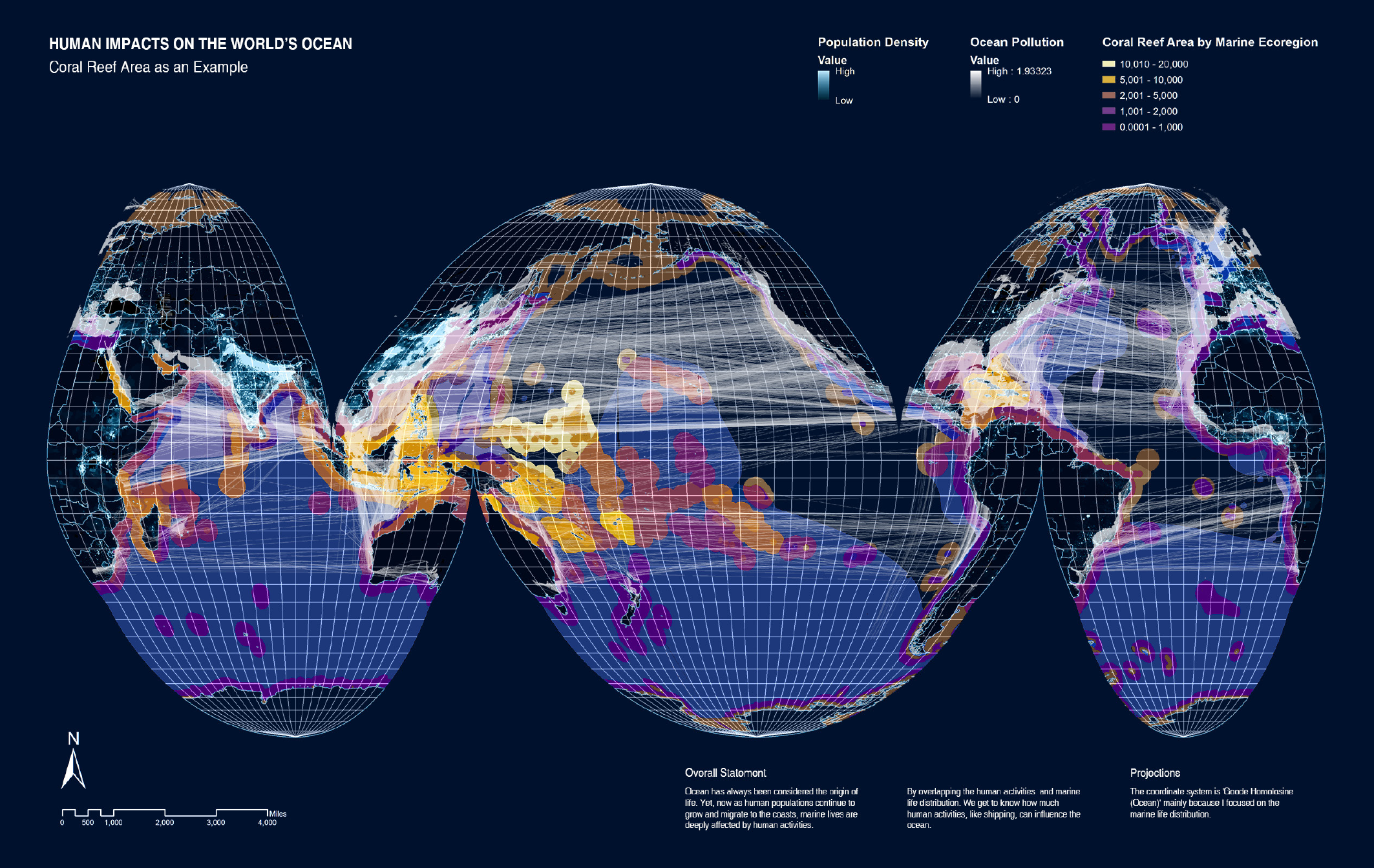
Ocean covers over 70% of our planet. By overlapping human activities with marine life distribution, we quantify how shipping, pollution, rising temperatures, acidification, and sea level rise affect ocean ecosystems.
Coordinate system: Goode Homolosine (Ocean) — chosen to prioritize accurate representation of marine life distribution.
Daily Behaviors
with Urban Spaces
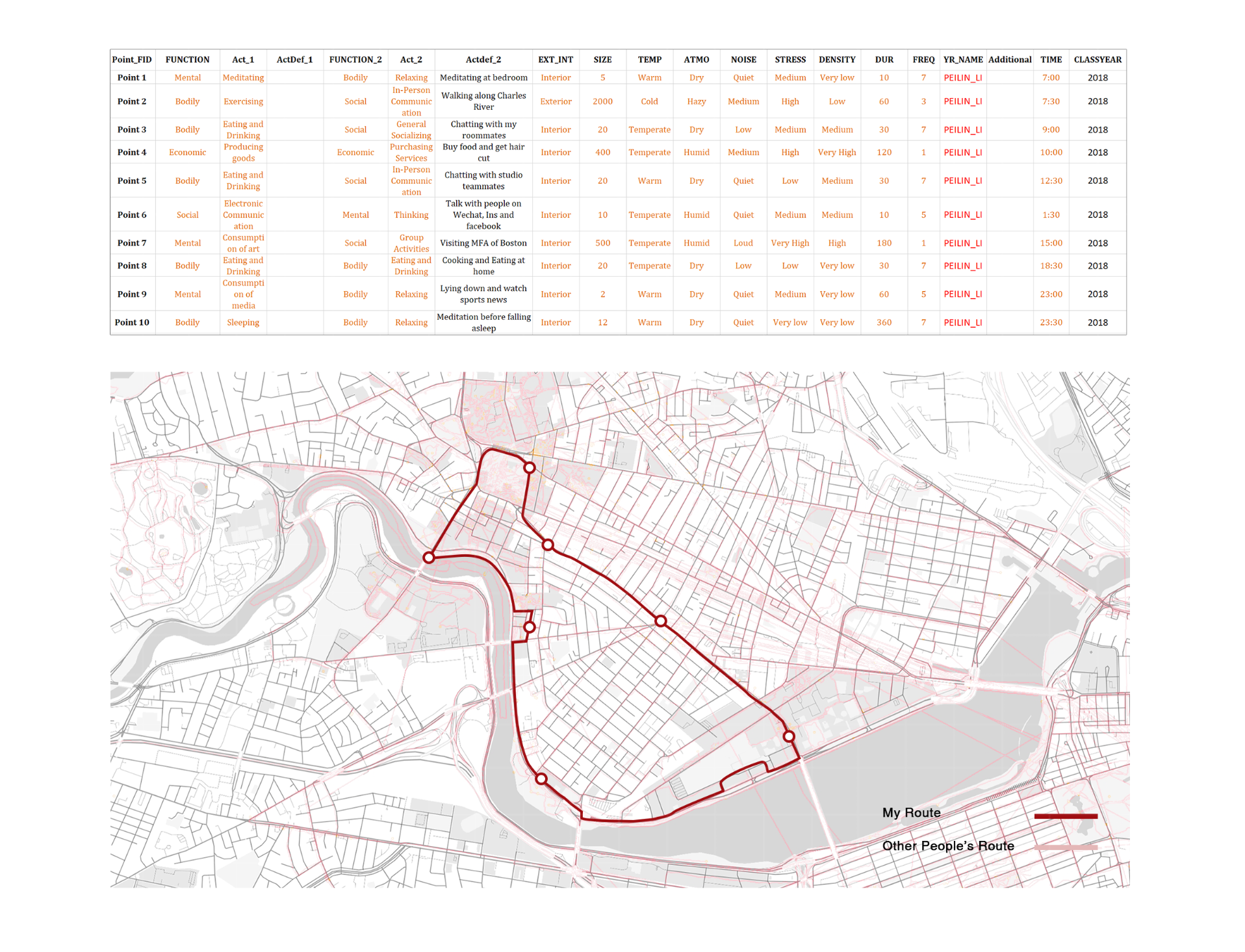
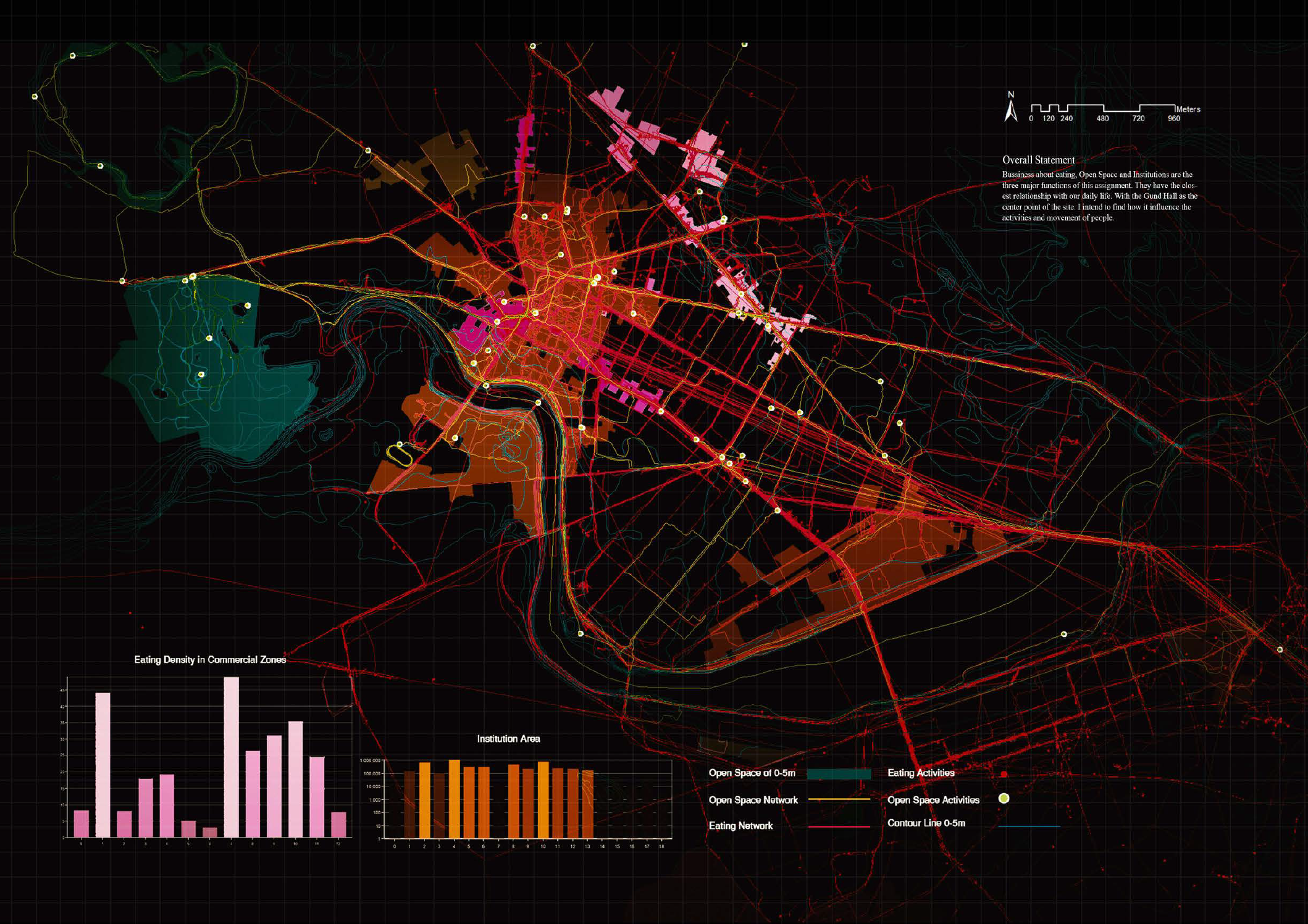
This exercise establishes the relationship between daily behaviors and urban spaces, classifying spaces by category and magnitude based on behavioral data.
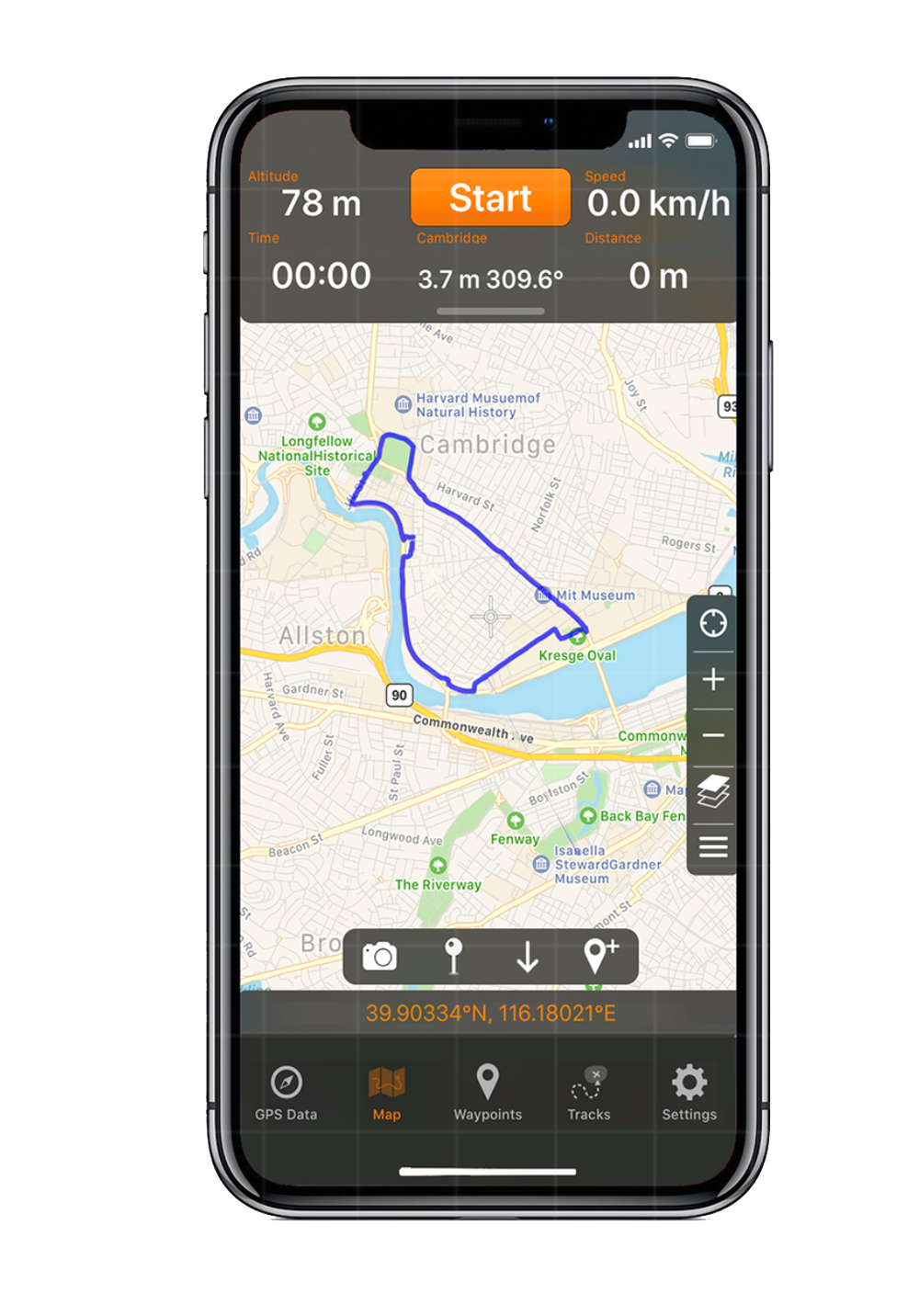
We identified behavior trajectories and key spatial nodes, then recorded behaviors divided into personal, social, mental, and bodily attributes.
By synthesizing behavior data against space characteristics — temperature, noise, humidity, density — we draw conclusions about the relationship between human activity and urban form.
VOXSCAPE
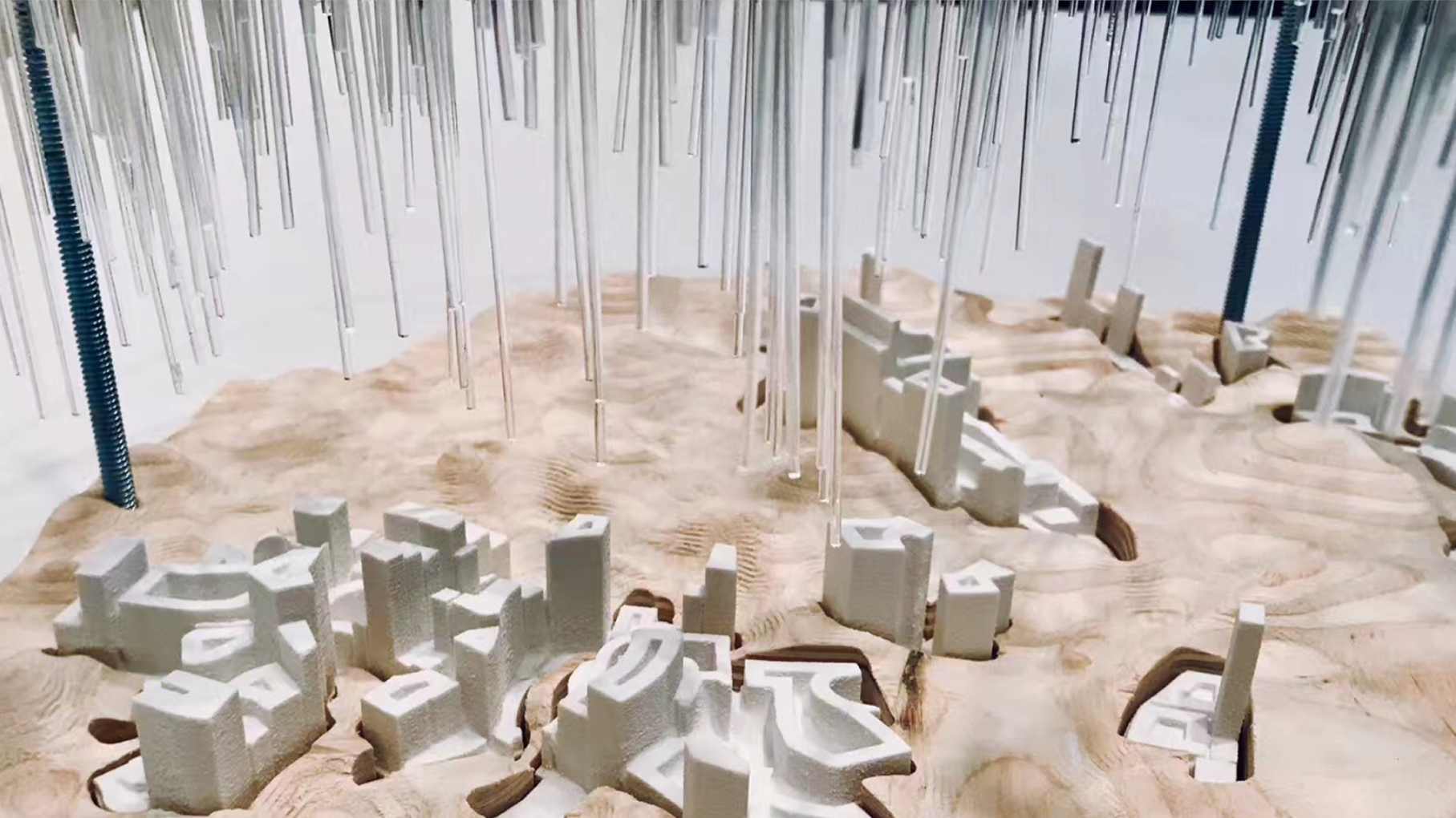
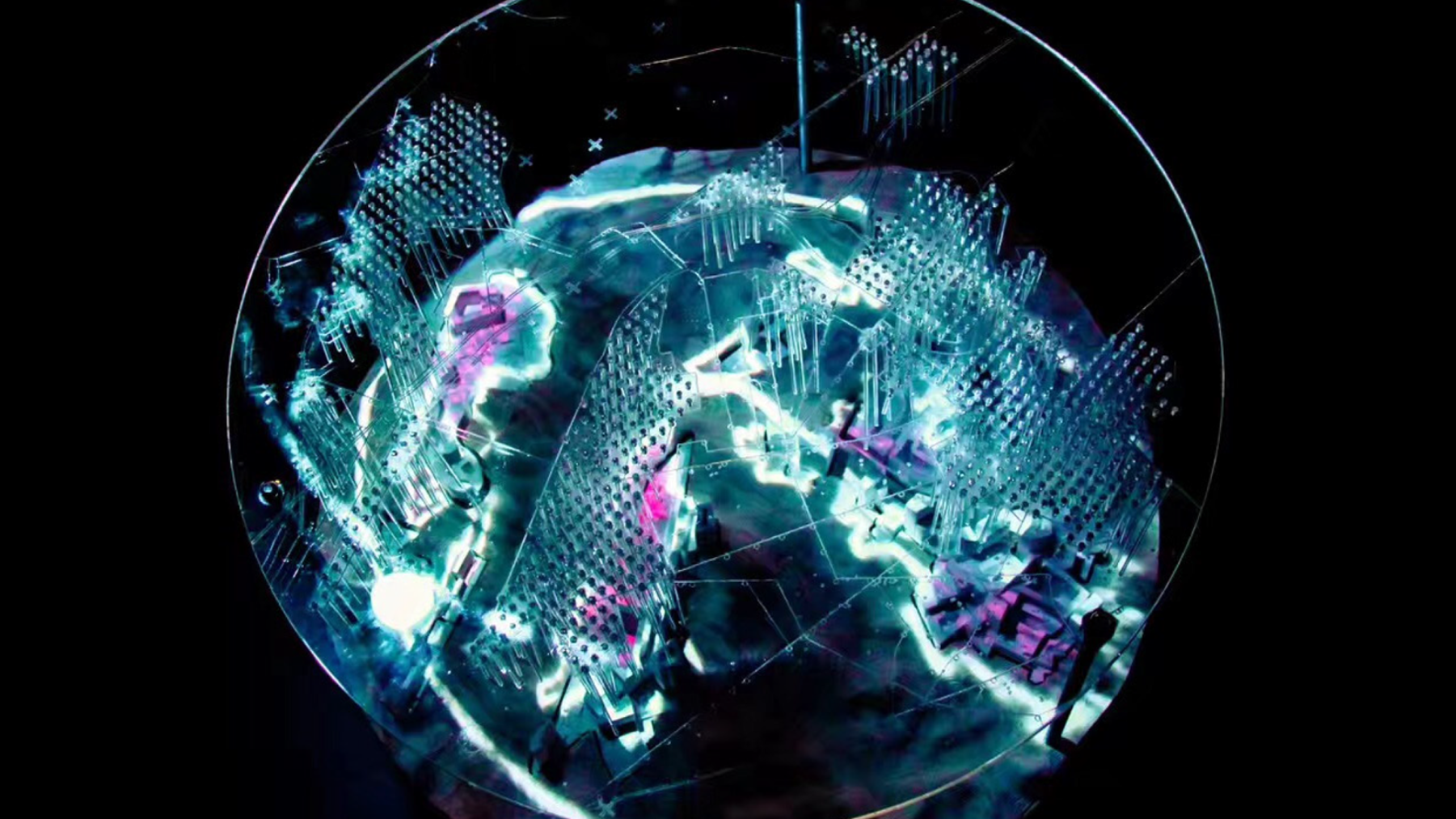
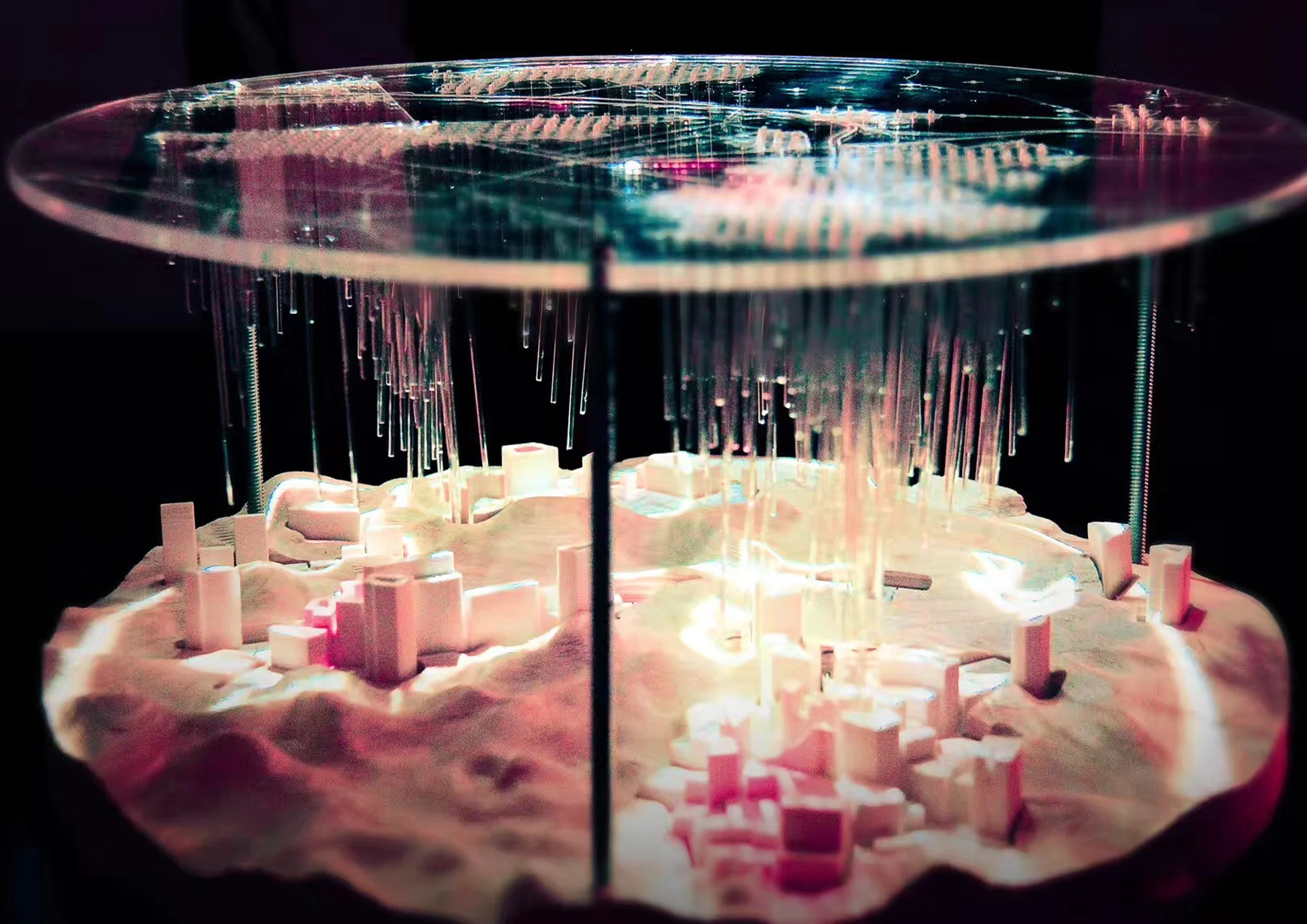
Imagine a world built out of ambiance noises: the ground surface is shaped by general audio topography; building heights are generated by street unpitched sound volume; the clouds above are clusters formed by voice frequency.
This project studies vocality inside the cityscape and how it relates to materiality and spatial organization — regarding vocal patterns as a potential natural order to structure the urbanscape.
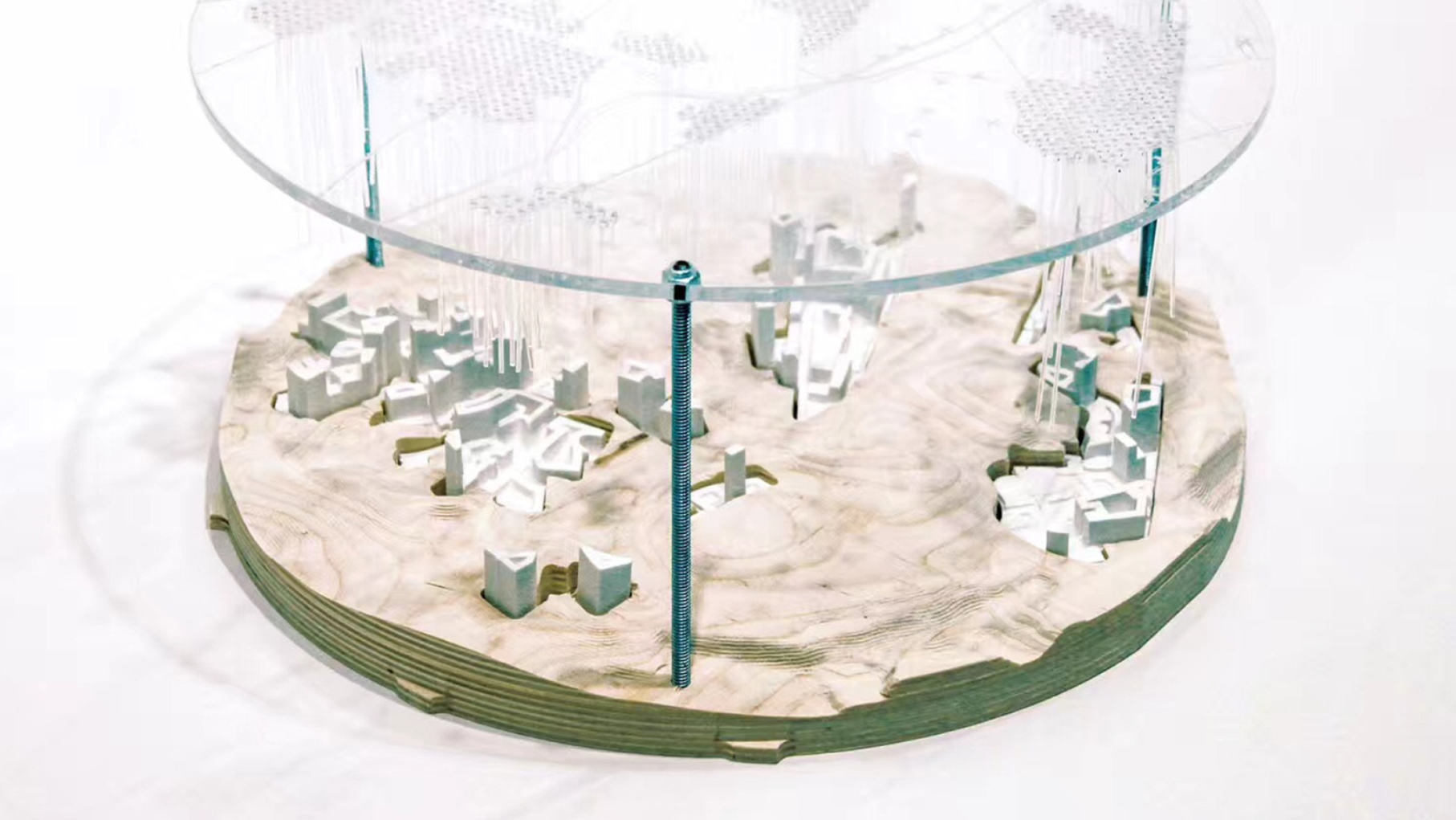
Transparent Plexi (sky) · 3D Printed Powder (terrain)
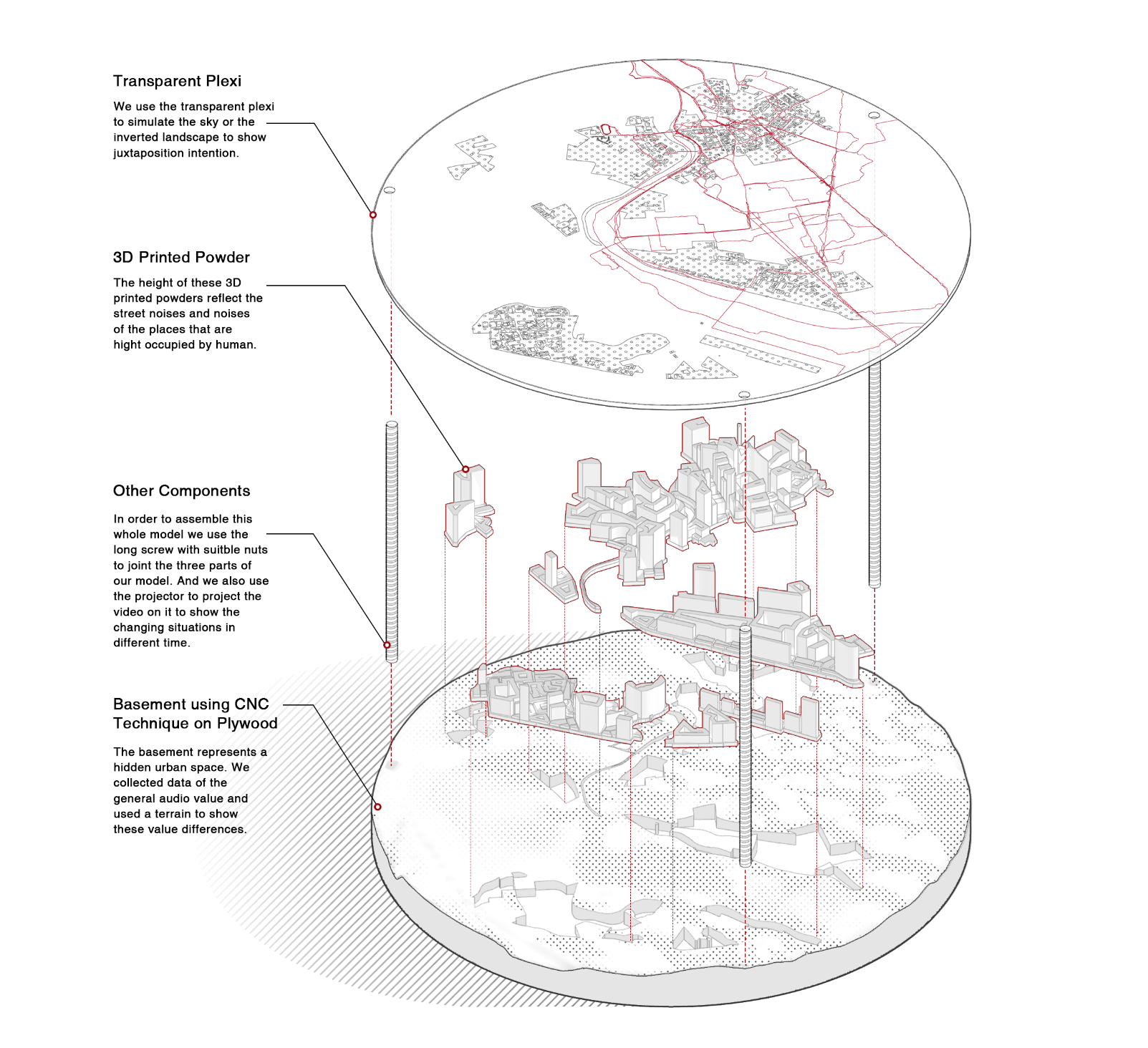
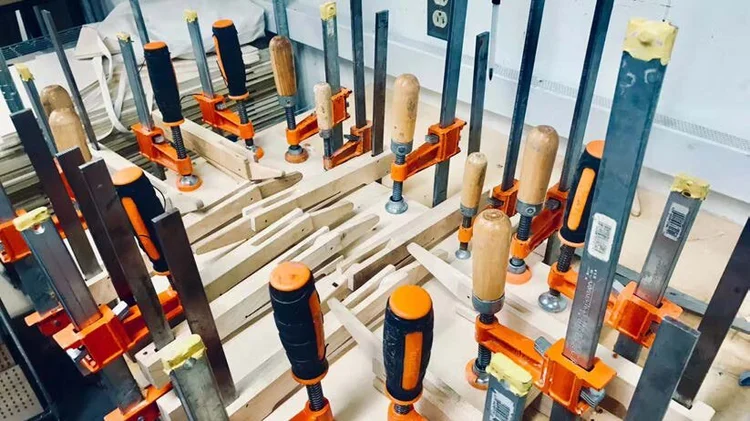
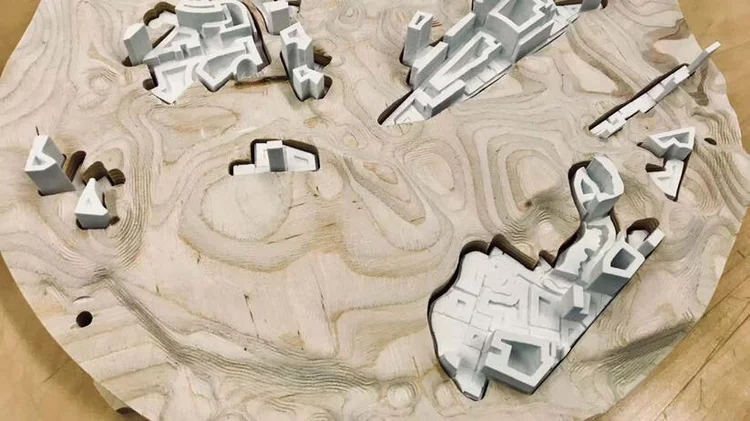
Physical model — transparent plexi sky layer · 3D printed powder terrain
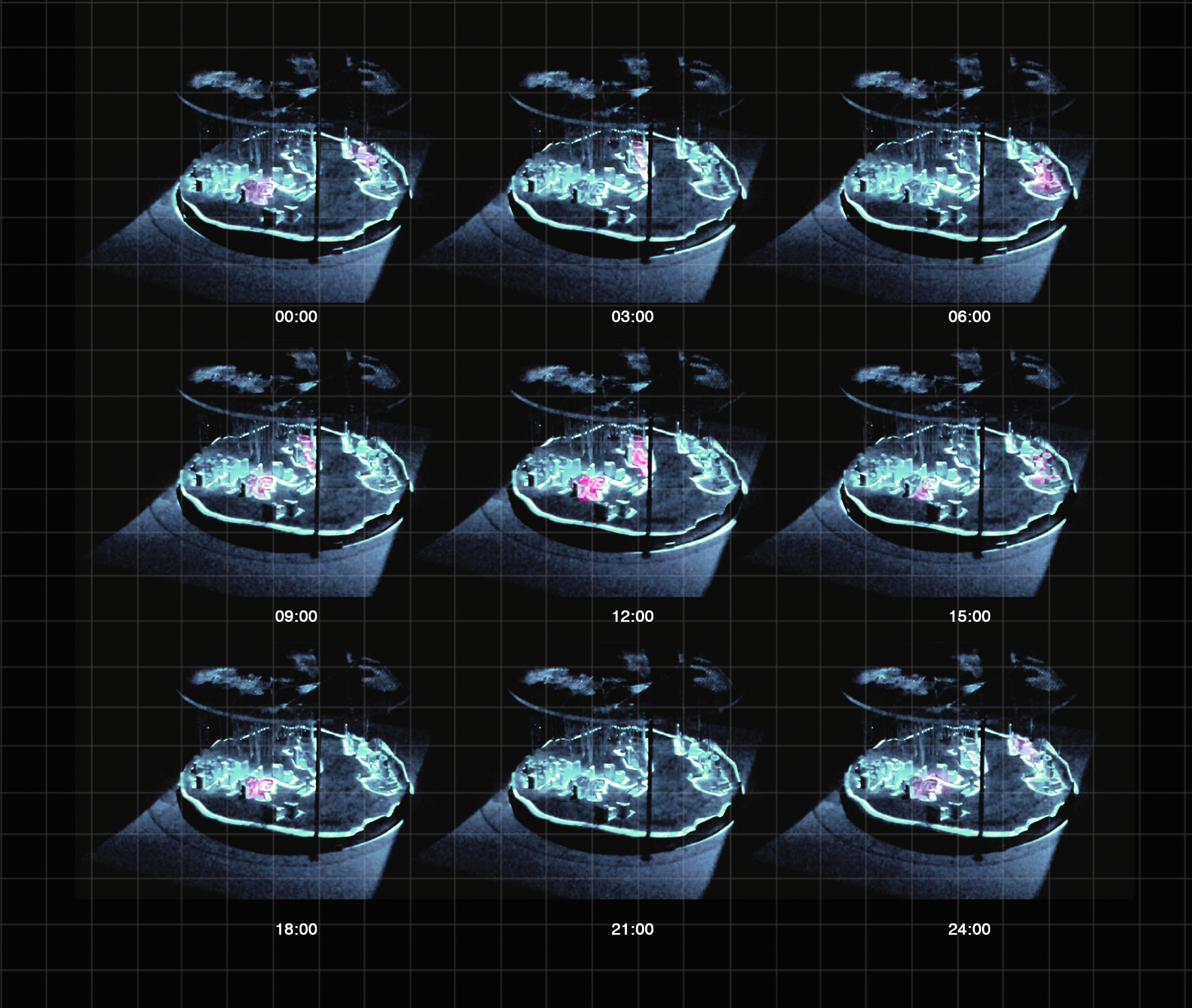
Vocality Over 24 Hours
The visualization shows vocality across different time periods of a day. Pink reflects the highest sound volume; cyan is relatively low.
By projecting these colors onto the physical model, the combination of color, material, and shape forms the complete “VOXSPACE” of the city.
This War
of Mine
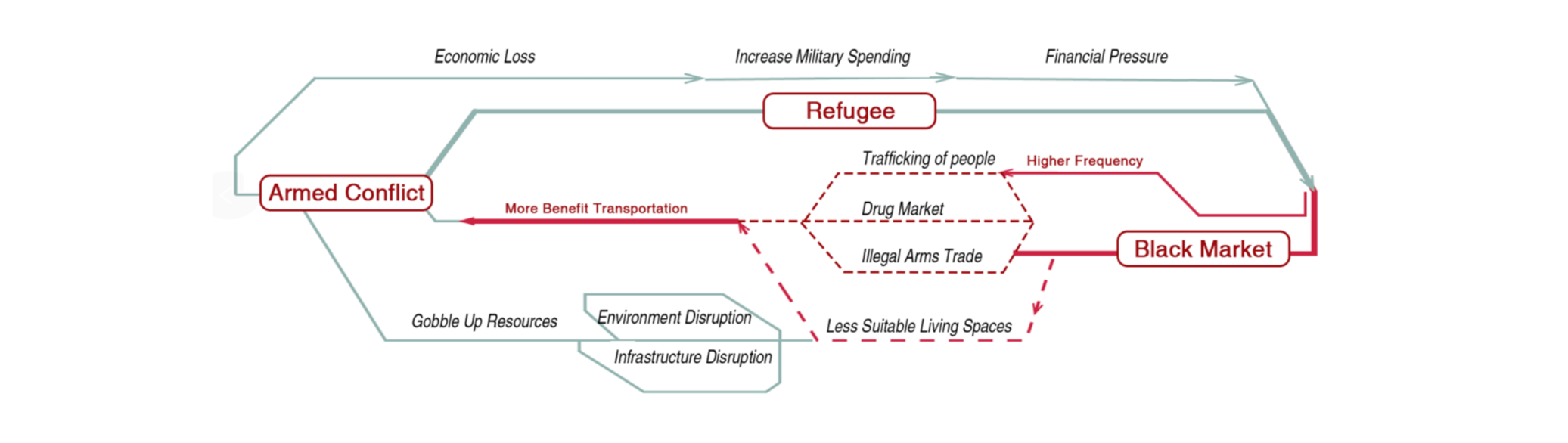
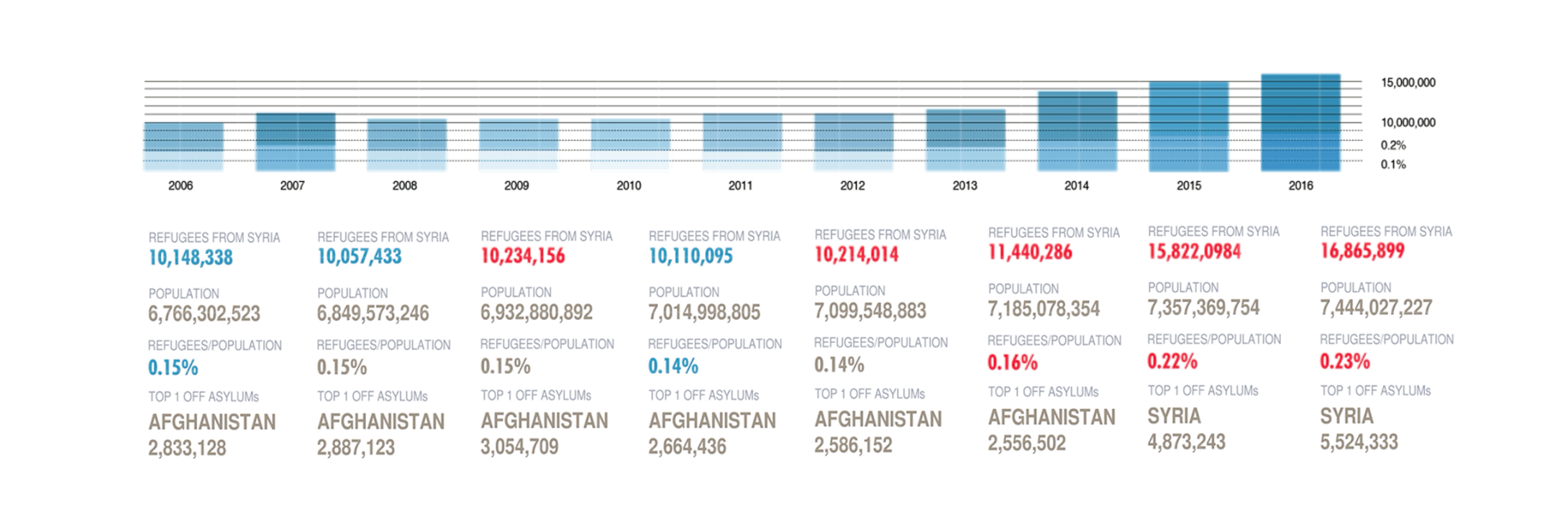
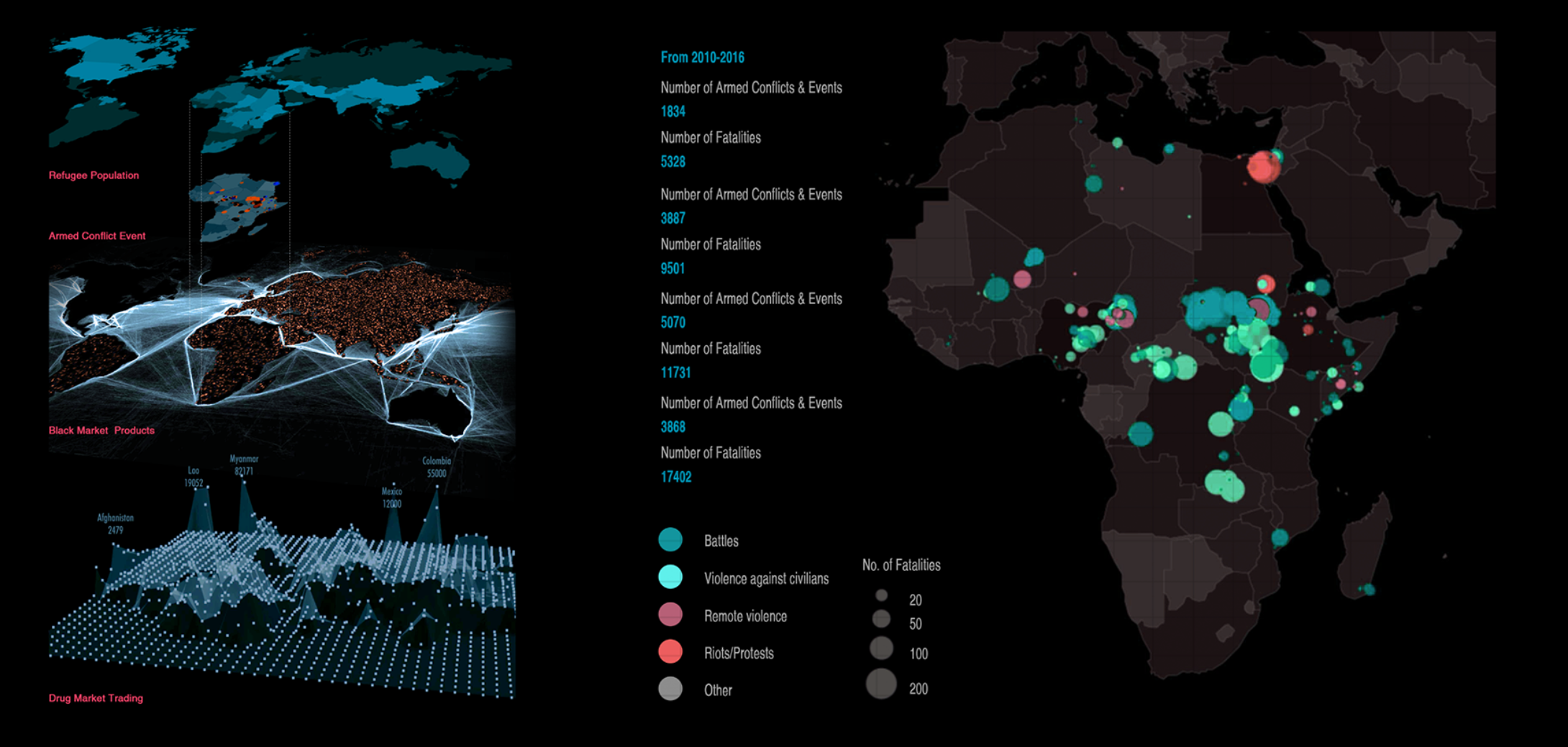
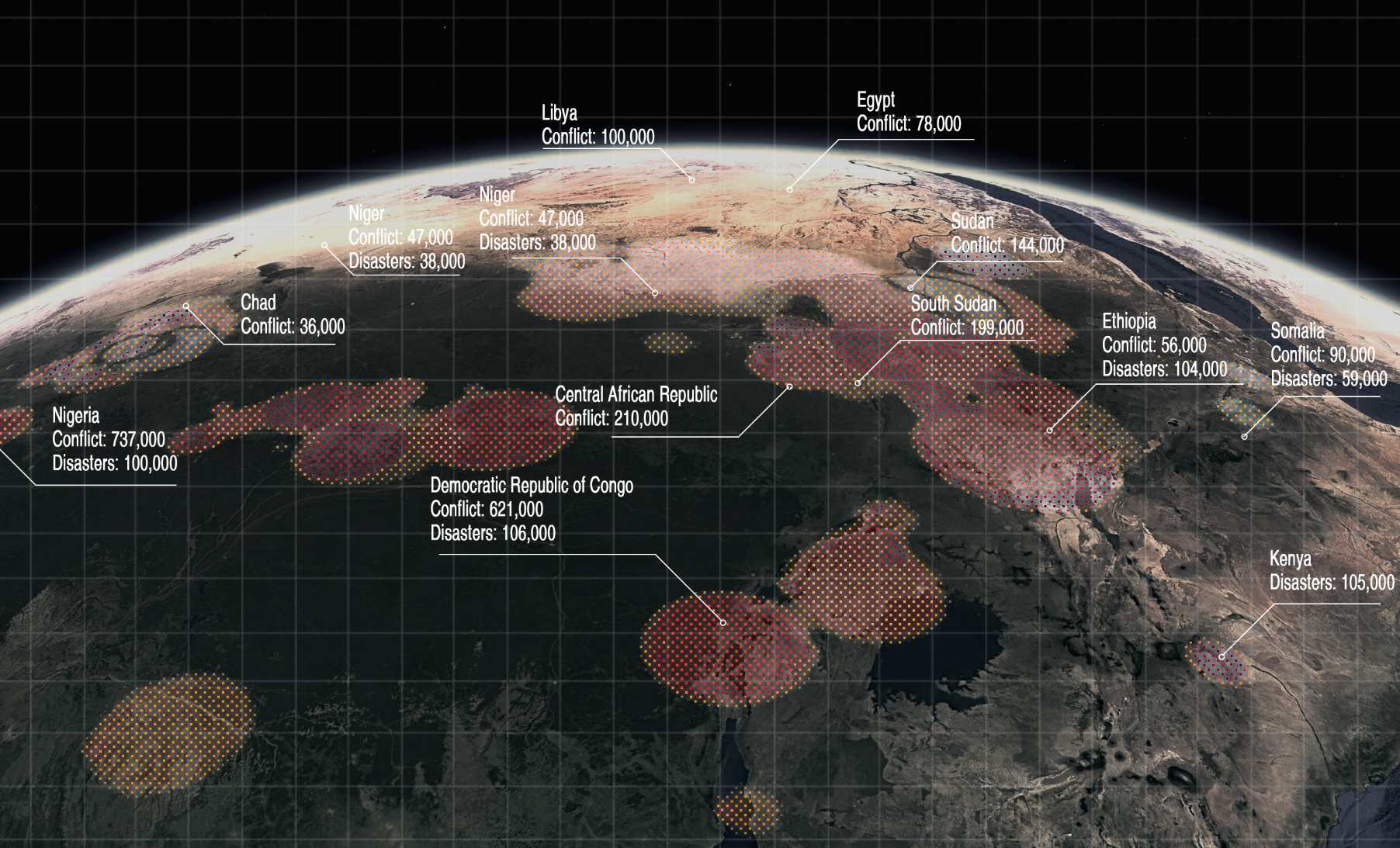
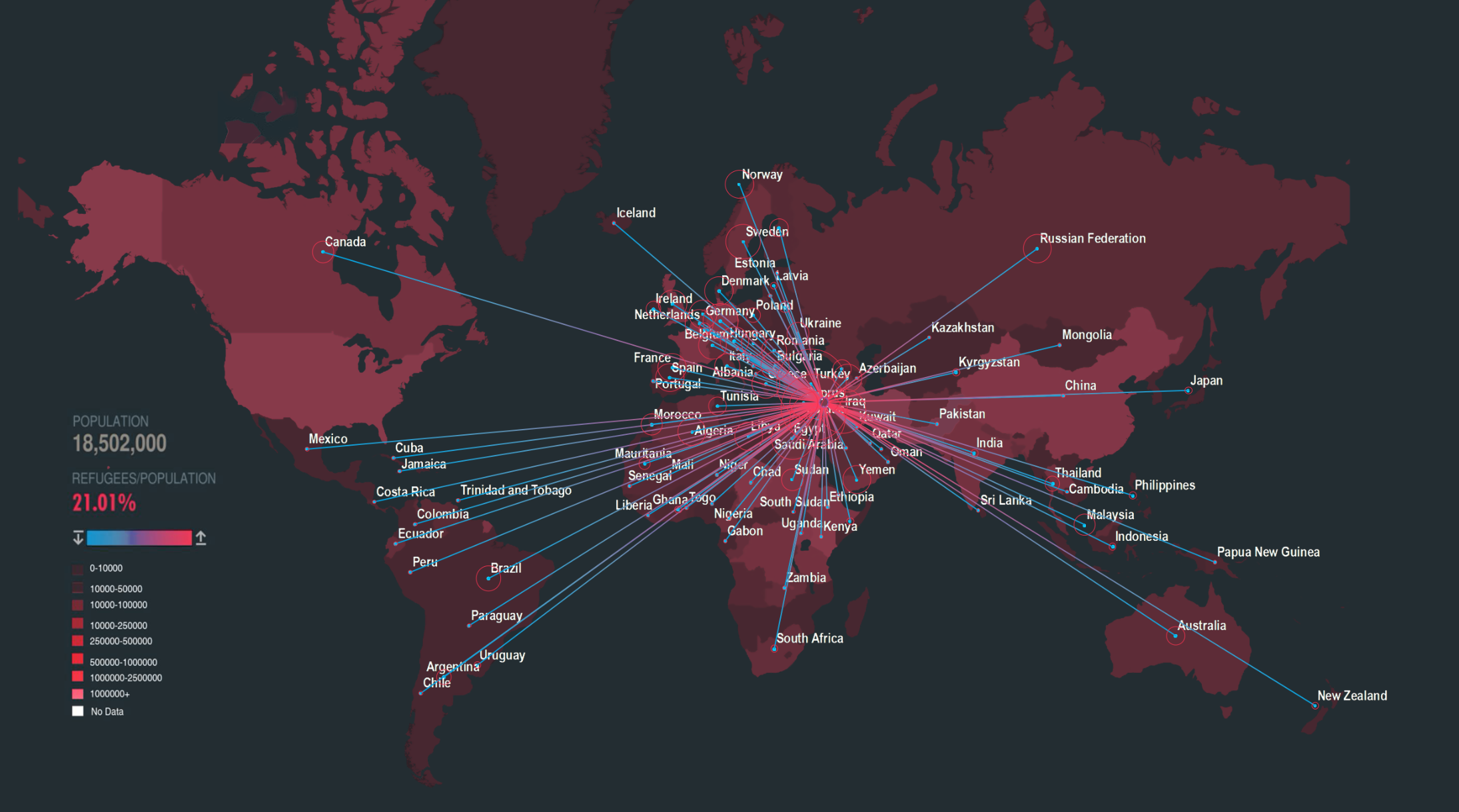
Starting from war worldwide, we track the flow of refugees and poverty situations, ending at the black market — to demonstrate that violence can only ever bring more violence.
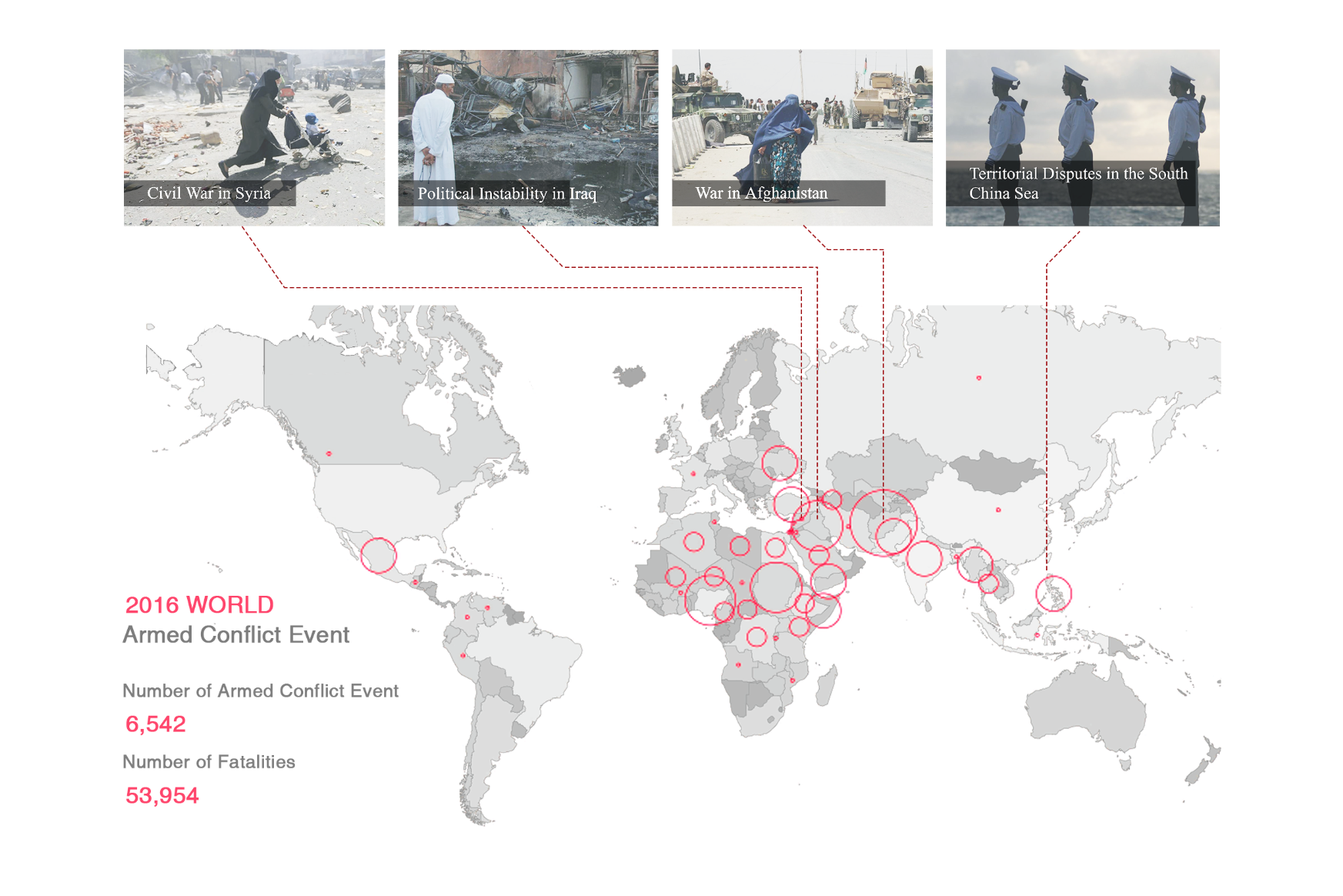
In the 21st century, 32 active conflict zones span the globe. Innocent civilians remain the greatest victims — their displacement and exposure to black markets quantified across decades of armed conflict data.
“There never was a good war, or a bad peace.”
— Benjamin Franklin
Read the complete original project notes
GEOGRAPHIC REPRESENTATION AND SPECULATION
SCI 6322 Mapping Spring 2018 | 05/2018 |
Advisor: Robert Pietrusko
Team member: BoxiangYu, YinanLiu, ShuoZhao
Project Overview
This project contains three small exercises and two final projects. With the first project focus on representing sound scape in urban spaces, the second one is trying to map the effect of war and every black bad impression that brought to the world.
Exercise A: Human Impacts on Coral Reefs
We live on a planet where the ocean covers over 70%. Ocean has always been considered the origin of life. By overlapping the human activities and marine life distribution. We get to know how much human activities, like shipping, pollution, rising ocean temperatures, ocean acidification, and sea level rise can influence the ocean. The coordinate system is 'Goode Homolosine (Ocean)' mainly because I focused on the marine life distribution.
Exercise B: Daily Behaviors with Urban Spaces
In this exercise, we need to establish the relationship between daily behaviors and urban spaces. Through these daily behaviors, spaces are classified into different categories and magnitudes.
Firstly, we set up a form to identify our predicted behavior trajectories and key nodes on physical spaces, and plan our behaviors in these key spatial nodes. At the same time, behaviors are divided into several different attributes, such as personal, social, mental, bodily and so on.
Behaviors are not only directly related to the distribution of spatial points, but also to the characteristics of spatial points, such as whether it is interior or exterior, its environmental temperature, noise level, humidity, density and so on. Finally, we recorded all of these behaviors and the time spent at different points. In this way, through all the above information, we can synthesize many different conclusions.
Project 01: VOXSCAPE
Image a world that is built out of ambiance noises: the ground surface is shaped by general audio topography; the height of buildings is generated by the volume of street unpitched sound; the clouds above sky is the clusters formed by voice frequency. And this is the concept of our model. We want to study the vocality inside the cityscape and how it related to the materiality and spatial sense of organization within the context of social and culture influence, regard vocal as a potential natural order to structure and develop the urbanscape.
The video is to show vocality in different time period of a day. Thus we can easily see how the audio is changing in different spaces and different time. For example, pink reflects the highest volume of the sound while cyan is relatively low. By project these colors on our model, we can combine the colors with its materials as well as its shape. They all together form a whole that show a “VOXSPACE” of the city.
Project 02: THIS WAR OF MINE
Start from the war worldwide, we track the flow of refugee and the poverty situation. And we end at the black market to show people how war would affect and strong the black market. To demonstrate the idea that violence can only bring more violence.
Although human civilization has entered the 21st century, wars and conflicts among nations have never completely stopped. From bloody civil wars in Africa to chaotic conflicts in Southeast Asia, there are still 32 conflict zones in the world, and innocent civilians are usually the biggest victims of these conflicts.
Benjamin Franklin once said, "There never was a good war, or a bad peace." Whatever the grand reasons are, the greatest victim of war will always be the people.