01 / 12 · Gaming / Interaction
AI Film Trailer
Individual Work · February 2024
Tools: Midjourney / RunwayML / Stable Audio
Project Overview
In "The Cavern of Secrets: A Quest for Identity," an AI-generated microfilm, we embark on a captivating journey with an intrepid adventurer delving into the depths of a mysterious cave to uncover the secrets of his past. Utilizing cutting-edge artificial intelligence, this project combines dynamic storytelling with visually stunning graphics, bringing a unique narrative to life that explores themes of exploration, self-discovery, and the quest for knowledge.
Production Process
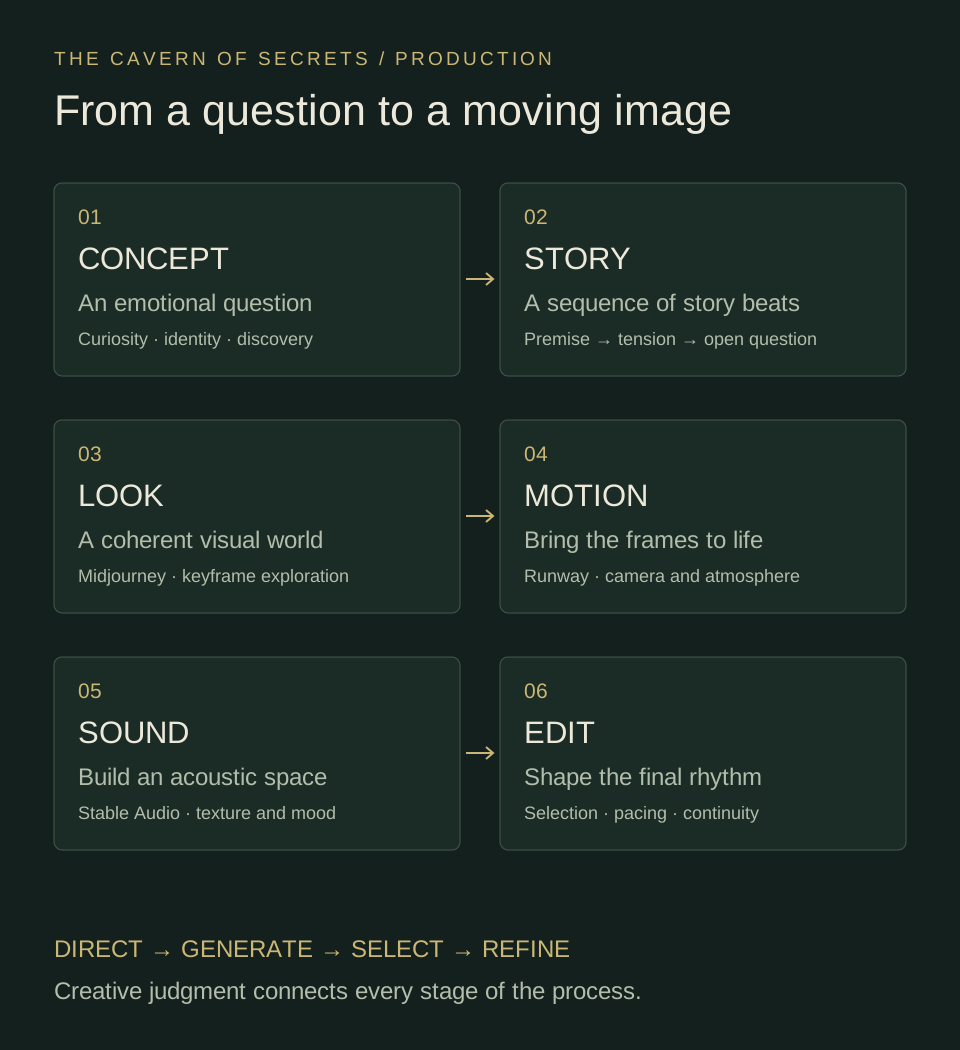
The creative approach connects a simple narrative premise with a consistent visual world. Midjourney supports visual exploration, Runway brings selected frames into motion, and Stable Audio helps build the atmosphere. The process moves between generation and editorial judgment: choosing what belongs in the story, refining the mood, and shaping the rhythm of the final trailer.
Step 1: Conceptualization
The inception of our microfilm began with brainstorming sessions where we outlined the core narrative: an adventurer's quest to uncover his origins within a secret cave. The storyline was developed to engage viewers, weaving a tale that balances mystery, suspense, and emotional depth.
The cave becomes both a physical destination and a metaphor for an unexplored past. The central question is personal: what might we discover about ourselves when we step beyond the familiar? Isolation, scale, and the contrast between light and darkness give that question a visual form.
Step 2: Scriptwriting & Storyboarding
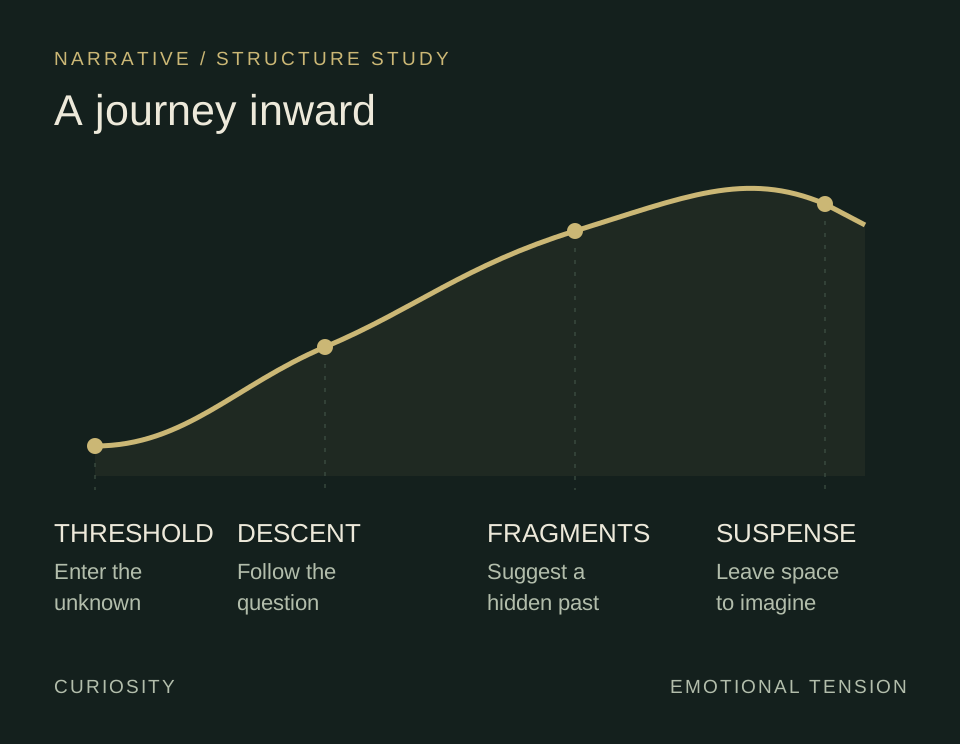
The narrative is organized around four beats: approaching the unknown, moving deeper, encountering fragments of a hidden past, and leaving the central mystery unresolved. This gives the trailer a clear emotional direction without needing to explain the entire story.
At the storyboard level, each shot has one purpose: establish a place, direct attention, introduce a clue, or create a pause. Wide views communicate vulnerability; closer framing makes the experience more intimate. The final beat preserves an open question that invites the viewer to imagine the film beyond the trailer.
Step 3: Visual Development & Keyframes
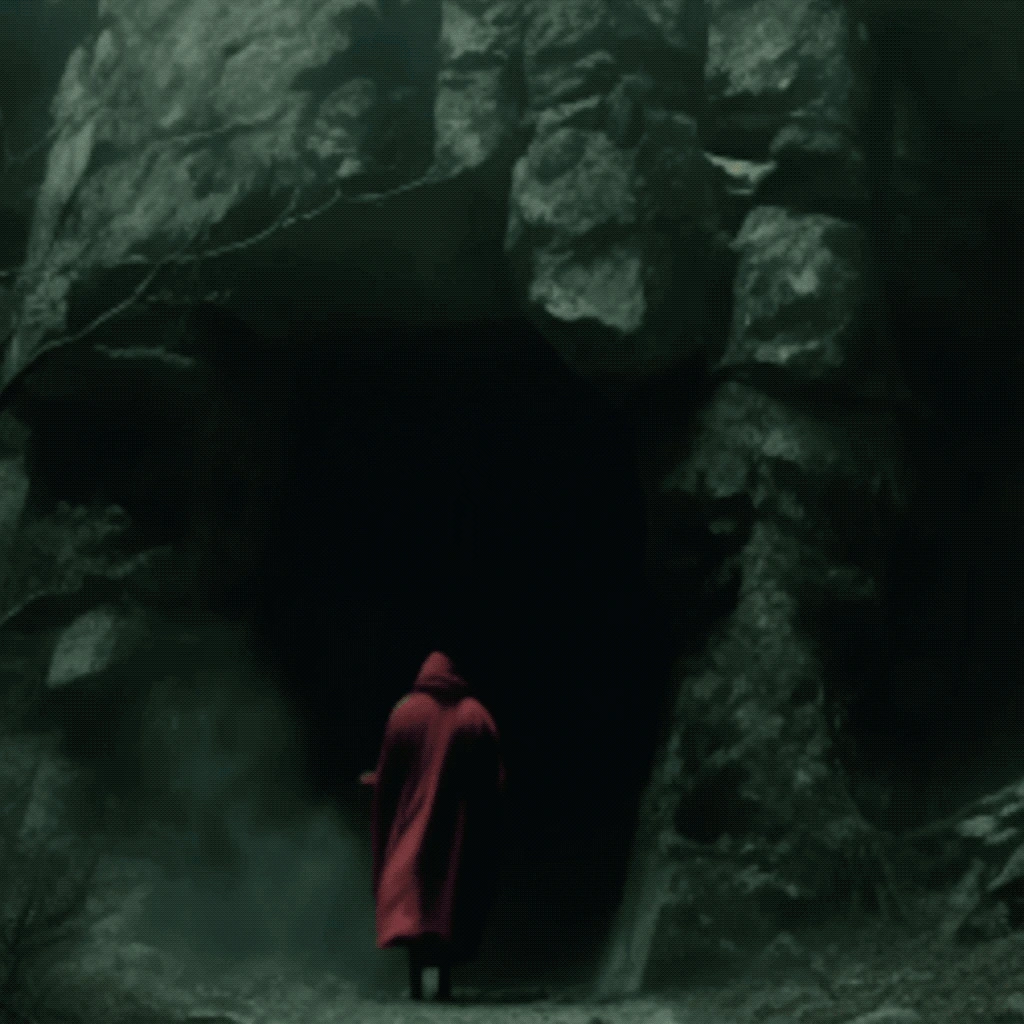
The preview establishes a restrained visual palette: green-grey rock, deep shadow, drifting atmosphere, and a small red figure. The warm accent gives the eye a point of reference inside a large, unfamiliar environment. A consistent relationship between character, light, and landscape helps the separate images feel like one world.
Keyframe exploration focuses on composition and readability. A useful prompt framework combines the subject, environment, lighting, camera distance, and emotional tone. The strongest frame is the one that communicates the story beat clearly and provides a stable starting point for animation.
Step 4: Image-to-Video & Motion Direction
Runway connects the keyframe stage to moving-image studies. Motion direction starts with a clear action: approach the entrance, draw attention into the darkness, or let atmosphere move through a still composition. Keeping the action focused helps preserve the identity of the scene.
Selection is as important as generation. A usable clip needs a readable subject, convincing movement, and enough visual continuity to sit beside the next shot. Reviewing the beginning and end of each clip helps identify distracting changes and find natural edit points.
Step 5: Sound Design & Atmosphere
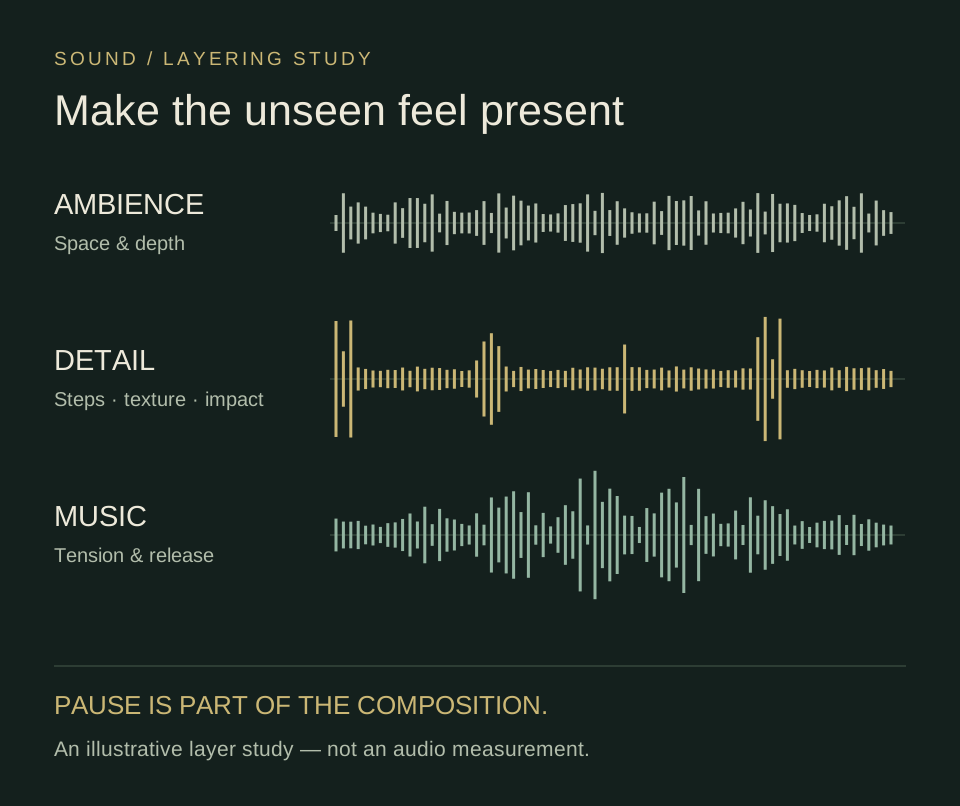
The sound approach has three layers: an ambient bed to suggest the scale of the cave, small details to give movement physical weight, and music to support the emotional progression. Stable Audio provides a way to explore textures and musical moods around the same visual premise.
Space between sounds matters. A quieter moment can draw attention to an image, while a change in texture can connect two shots or signal a shift in tension. The goal is a cohesive acoustic world that extends what the images suggest.
Step 6: Editing & Finishing
The edit brings the visual and sound studies into a single progression. Establishing shots give the viewer time to enter the world; shorter fragments build anticipation; a deliberate pause leaves room for the central question. Transitions follow the emotional rhythm of the sequence.
Finishing focuses on continuity: matching the feeling of light and color, balancing the sound layers, and removing moments that interrupt the atmosphere. The trailer should feel like an invitation into a larger story, with a clear identity of its own.
Reflection
This project explores AI filmmaking as a form of direction and curation. Generative tools open up possibilities for images, movement, and sound, while narrative choices give those outputs meaning. The central design challenge is coherence: carrying the same sense of mystery through every frame, transition, and sound.